The short answer
Christian music began with the psalms and the songs of the early church, grew into Latin chant, and became congregational singing during the Reformation. Isaac Watts and Charles Wesley created the English hymn in the 1700s. Spirituals and gospel came from Black churches in America, and contemporary Christian music grew out of the Jesus Movement of the late 1960s.
Timeline at a glance
| Era | When | What changed | Hear it |
|---|---|---|---|
| Psalms and chant | Ancient to 1500s | Scripture sung, mostly by clergy and monks | O Come, O Come, Emmanuel |
| Reformation | 1520s onward | Hymns in the people's own language | A Mighty Fortress Is Our God |
| English hymns | 1700s | Watts and Wesley write the hymns churches still sing | When I Survey the Wondrous Cross |
| Spirituals | 1700s to 1800s | Songs of enslaved Africans reach the world through the Fisk Jubilee Singers | Go Tell It on the Mountain |
| Gospel hymns | Late 1800s | Fanny Crosby and revival meetings | Blessed Assurance |
| Gospel music | 1930s onward | Thomas Dorsey and Mahalia Jackson create modern gospel | Precious Lord, Take My Hand |
| Jesus Music and CCM | Late 1960s to 1980s | Rock and pop with Christian lyrics, and a new industry | Jesus Freak |
| Modern worship | 1990s onward | Worship songs replace hymns in many churches | Shout to the Lord |
| Streaming era | 2010s to today | Worship collectives top the charts | Way Maker |
Psalms, chant and the early church
The Bible's own songbook is the Psalms: 150 songs and prayers that Israel sang in worship. Jesus and His disciples sang a hymn after the Last Supper (Matthew 26:30), and Paul told the early churches to sing "psalms and hymns and spiritual songs" (Colossians 3:16). That phrase would later become the title of one of the most important hymnals ever printed.
For the next thousand years, most church music in the West was chant: a single melody line, sung in Latin, usually by priests, monks and choirs rather than the congregation. Some of those melodies are still with us. O Come, O Come, Emmanuel grew out of ancient Latin Advent chants, and it's sung every December.
The Reformation puts hymns in everyone's mouth
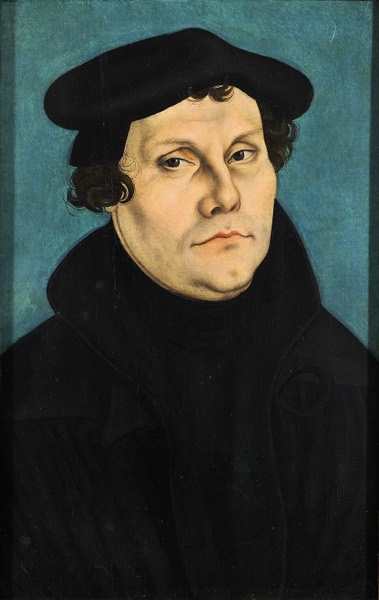
Martin Luther believed ordinary believers should sing, not just listen. He wrote hymns in German, set them to strong, singable tunes, and printed them so whole congregations could join in. His best known, A Mighty Fortress Is Our God, is built on Psalm 46 and dates to around 1529.
Other Reformation churches went a different way. The Calvinist churches of Geneva, Scotland and England sang mostly metrical psalms, the Bible's psalms rewritten in rhyme. For well over a century, that is what most English-speaking Protestants sang on Sunday.
The history of hymns: Watts, Wesley and the golden age
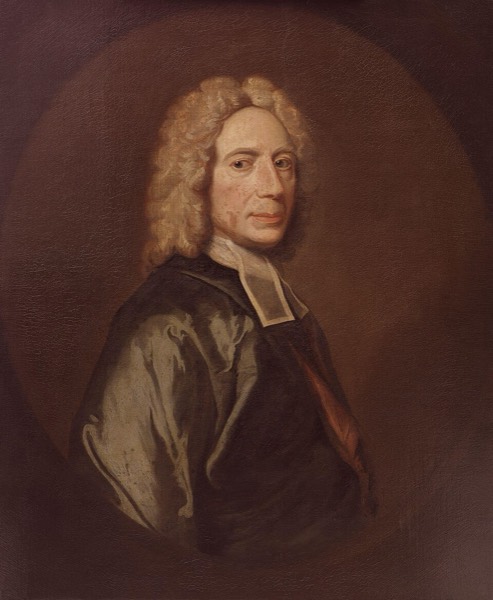
Isaac Watts changed that. As a young man he complained about the dull psalm singing at his church, and his father challenged him to write something better. In 1707 he published Hymns and Spiritual Songs, a collection of 210 hymns, and he went on to write nearly 600 in all. He is often called the father of English hymnody. Joy to the World and When I Survey the Wondrous Cross are both his.
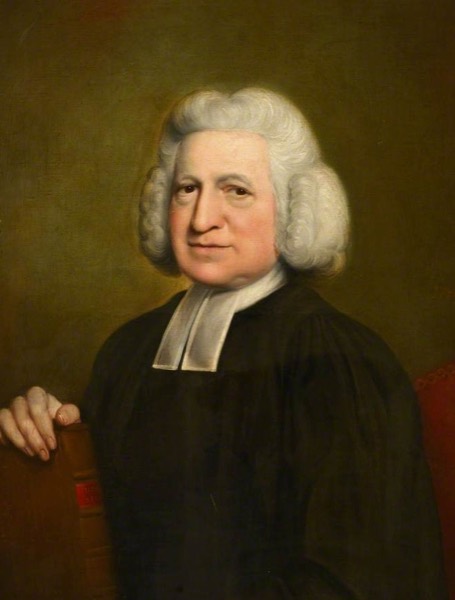
A generation later, Charles Wesley wrote thousands more, by most counts over 6,000. The Methodist revival he led with his brother John spread through singing as much as preaching. Hark! The Herald Angels Sing, Christ the Lord Is Risen Today and Love Divine, All Loves Excelling all came from his pen.
The 1700s also gave us Amazing Grace (John Newton, 1779), Come Thou Fount of Every Blessing (Robert Robinson, 1758) and Rock of Ages (Augustus Toplady, 1763). Many of the classic hymns churches still sing were written in this one century.
Spirituals and the Fisk Jubilee Singers
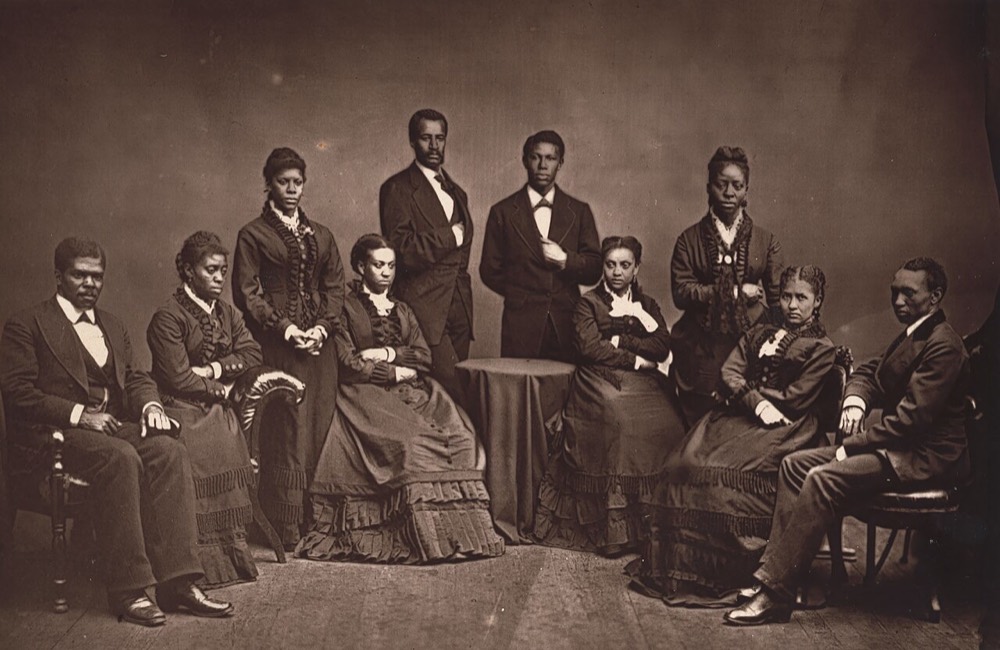
While Watts and Wesley were writing in England, enslaved Africans in America were creating a music of their own. Spirituals blended African musical traditions with the stories of the Bible, especially the Exodus. Songs like Go Tell It on the Mountain, Swing Low, Sweet Chariot and Wade in the Water carried faith, grief and hope. Some historians believe a few also carried coded messages about escape, though how often is still debated.
Spirituals reached the wider world through a group of students. In October 1871, nine singers from Fisk University in Nashville set out on a tour to raise money for their struggling school. Audiences responded most to the spirituals, so the songs became the heart of the show. The tours paid many of the school's debts and helped buy its new campus. Their director named them the Jubilee Singers, after the biblical year of jubilee when slaves were set free.
Fanny Crosby and the gospel song
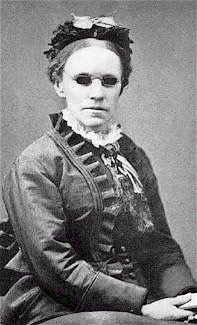
In the late 1800s, revival meetings created a new kind of song: simpler than the old hymns, with a chorus everyone could join. The most prolific writer of these "gospel songs" was Fanny Crosby, who was blind from infancy. Counts vary because she used as many as 200 pen names, but she wrote somewhere between 5,500 and 9,000 hymns, including Blessed Assurance.
The evangelist Dwight L. Moody and his song leader Ira Sankey carried these songs across America and Britain. This is also the era of It Is Well with My Soul (1873), What a Friend We Have in Jesus and Nothing but the Blood.
The history of gospel music
Modern gospel music was born in Black churches in Chicago in the early 1930s. Its central figure was Thomas A. Dorsey, a former blues pianist who brought the feel of the blues into church music. In 1932 Pilgrim Baptist Church hired him to organize its gospel chorus, one of the first in the country. That same year, grieving the death of his wife and newborn son, he wrote Precious Lord, Take My Hand. He went on to help found the National Convention of Gospel Choirs and Choruses, and he is widely called the father of gospel music.
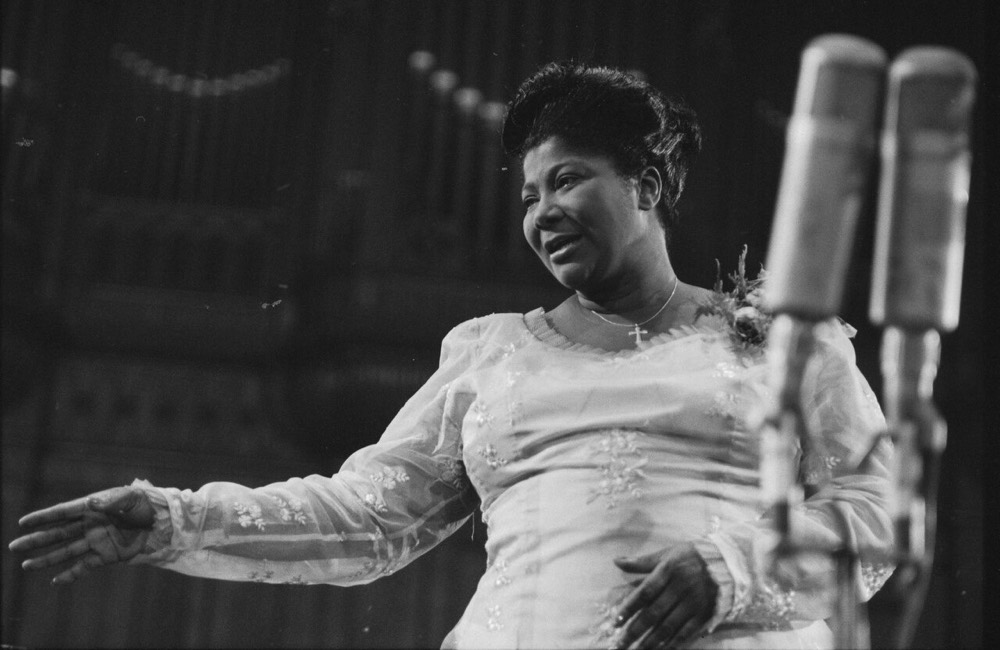
Mahalia Jackson, who worked with Dorsey in Chicago, became gospel's first great star and carried it to concert halls and the civil rights movement. Gospel kept changing with each generation: the choirs of the 1960s, Edwin Hawkins' 1969 hit Oh Happy Day, Andraé Crouch in the 1970s, and Kirk Franklin, whose 1997 hit Stomp brought funk and hip hop into the church. Today artists like Tasha Cobbs Leonard and Maverick City Music carry it on. Start with these gospel songs worth knowing.
Southern gospel and country
A separate tradition grew up among white churches in the South. Shape-note singing schools and traveling gospel quartets, many sponsored by songbook publishers, made four-part harmony a fixture of Southern church life. Albert Brumley's I'll Fly Away (1929) came from this world and became one of the most recorded gospel songs ever. Southern gospel and country music have borrowed from each other ever since, which is why so many country stars record a hymns album. See the Christian country songs list for that thread.
The Jesus Movement and the history of contemporary Christian music
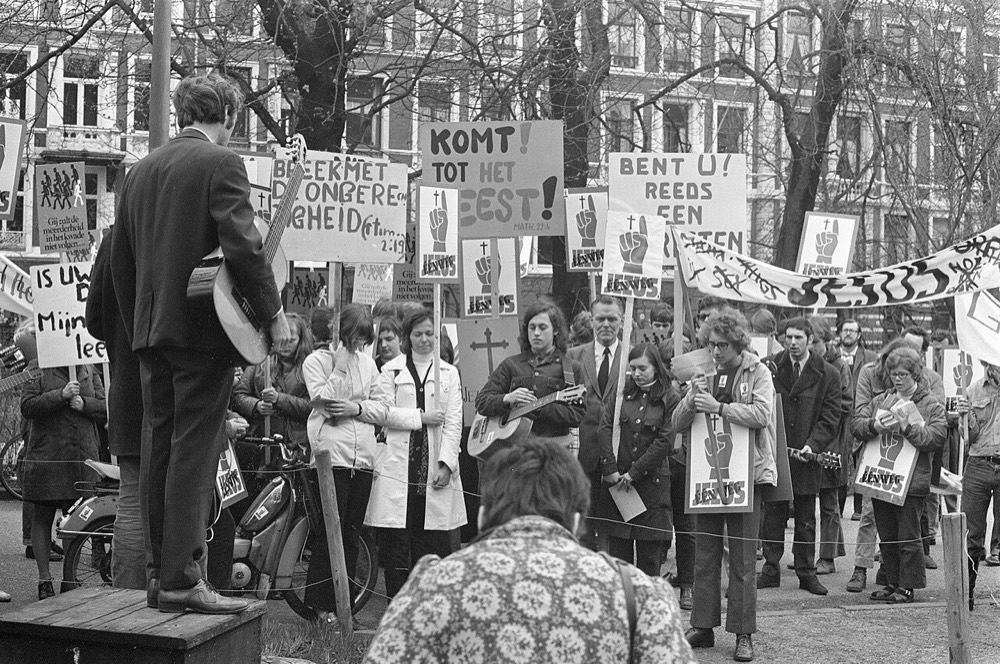
In the late 1960s, thousands of young people from the hippie counterculture came to faith in what became known as the Jesus Movement. They brought their guitars with them. Churches like Calvary Chapel in Costa Mesa, California opened their doors to them, and a new sound called Jesus Music was born.
Larry Norman's 1969 album Upon This Rock is often called the first Christian rock album, and Norman is often called the father of Christian rock. In the same year, the Gospel Music Association, founded in 1964, held the first Dove Awards.
By the 1980s Jesus Music had grown into an industry known as contemporary Christian music, or CCM. Amy Grant's 1982 album Age to Age became the first Christian album to be certified platinum, in 1985, and she went on to cross over to pop radio. Petra and Stryper proved Christian rock could fill arenas, and in the 1990s dc Talk's Jesus Freak, Jars of Clay and Newsboys took it to the mainstream. Hear the results on the Christian rock songs and popular Christian songs lists.
The worship era
In the 1990s the center of Christian music moved from the radio to the church. Worship songs written to be sung by a congregation became the main event. Darlene Zschech's Shout to the Lord (1994) carried Hillsong Church in Sydney around the world. Matt Redman, Paul Baloche, Delirious? and others filled the decade with songs youth groups still remember. See the songs that defined 90s worship.
The Passion movement, which began with a student conference in 1997, gave the next decade its leading voice in Chris Tomlin, whose How Great Is Our God became one of the most sung songs in churches anywhere. At the same time, writers like Keith Getty and Stuart Townend set out to write new hymns, and In Christ Alone (2001) proved it could still be done. Browse the best praise and worship songs or the Chris Tomlin songs list.
Christian hip hop
Christian rap started in the early 1980s and grew into one of the most dynamic parts of Christian music, from Stephen Wiley's Bible Break in 1985 to Lecrae's Anomaly reaching No. 1 on the Billboard 200 in 2014. It has its own story, told in full in the history of Christian hip hop.
Christian music today
Streaming changed Christian music again. Worship collectives tied to churches, like Hillsong, Bethel Music, Elevation Worship and Maverick City Music, now dominate both the charts and Sunday services. Songs like Oceans, Way Maker and Goodness of God are sung in churches around the world within months of their release. Country, gospel, rock and hip hop all keep their own Christian traditions, and the old hymns keep coming back in new arrangements. The best Christian songs of all time list shows how much of the story is still being sung.
Frequently asked questions
Where did Christian music originate?
Christian music began with the Psalms, the songbook of ancient Israel, and the hymns of the early church. The Gospels record Jesus and His disciples singing a hymn after the Last Supper, and Paul's letters encourage churches to sing psalms, hymns and spiritual songs.
Who is the father of gospel music?
Thomas A. Dorsey is widely called the father of gospel music. A former blues pianist, he wrote Precious Lord, Take My Hand in 1932, organized one of the first gospel choirs at Pilgrim Baptist Church in Chicago, and helped found the National Convention of Gospel Choirs and Choruses.
Who is the father of English hymns?
Isaac Watts is often called the father of English hymnody. His 1707 collection Hymns and Spiritual Songs moved English churches beyond singing only metrical psalms, and he wrote nearly 600 hymns, including Joy to the World and When I Survey the Wondrous Cross.
What was the first Christian rock album?
Larry Norman's Upon This Rock, released in 1969, is often called the first Christian rock album. It came out of the Jesus Movement, when young converts from the counterculture began writing rock and folk songs about their faith.
Why do many churches sing fewer hymns today?
Since the 1990s, many churches have moved to modern worship songs written for a band and a congregation, like Shout to the Lord and How Great Is Our God. Many still sing hymns, often in new arrangements, and writers like Keith Getty and Stuart Townend are still writing new ones.
Sources
- Isaac Watts, Christian History Institute
- Fanny Crosby, Encyclopaedia Britannica
- Jubilee Singers of Fisk University, Tennessee Encyclopedia
- Thomas A. Dorsey, PBS This Far by Faith
- Traditional gospel, Carnegie Hall Timeline of African American Music
- Upon This Rock (Larry Norman album), Wikipedia
- GMA Dove Award, Wikipedia
- Age to Age, Wikipedia